




Been told itcan’t be done?Let’s find out.

Interfuse is a digital R&D practice for products, platforms and problems that don’t come with an obvious solution.

Bring me the difficult problem
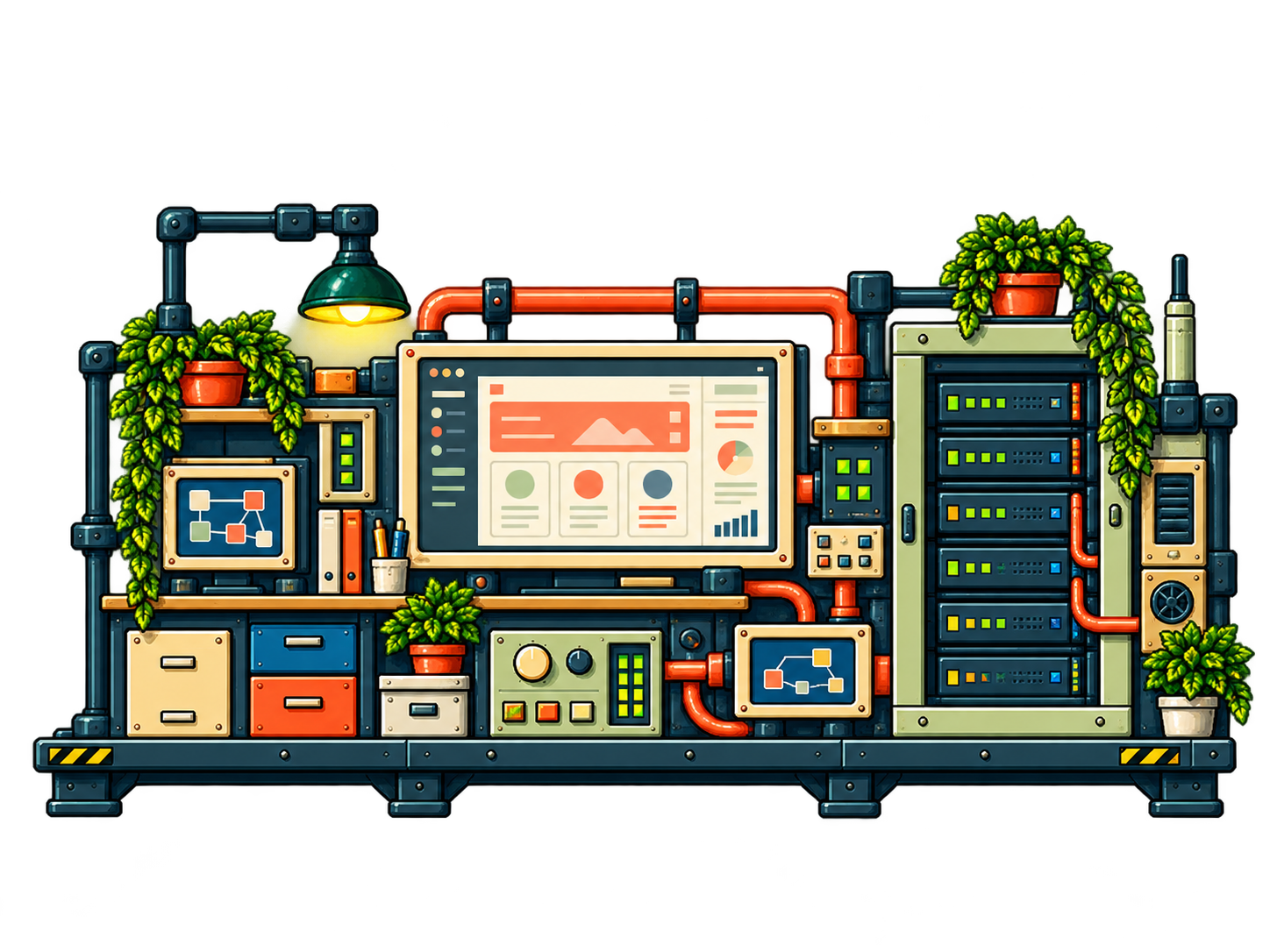
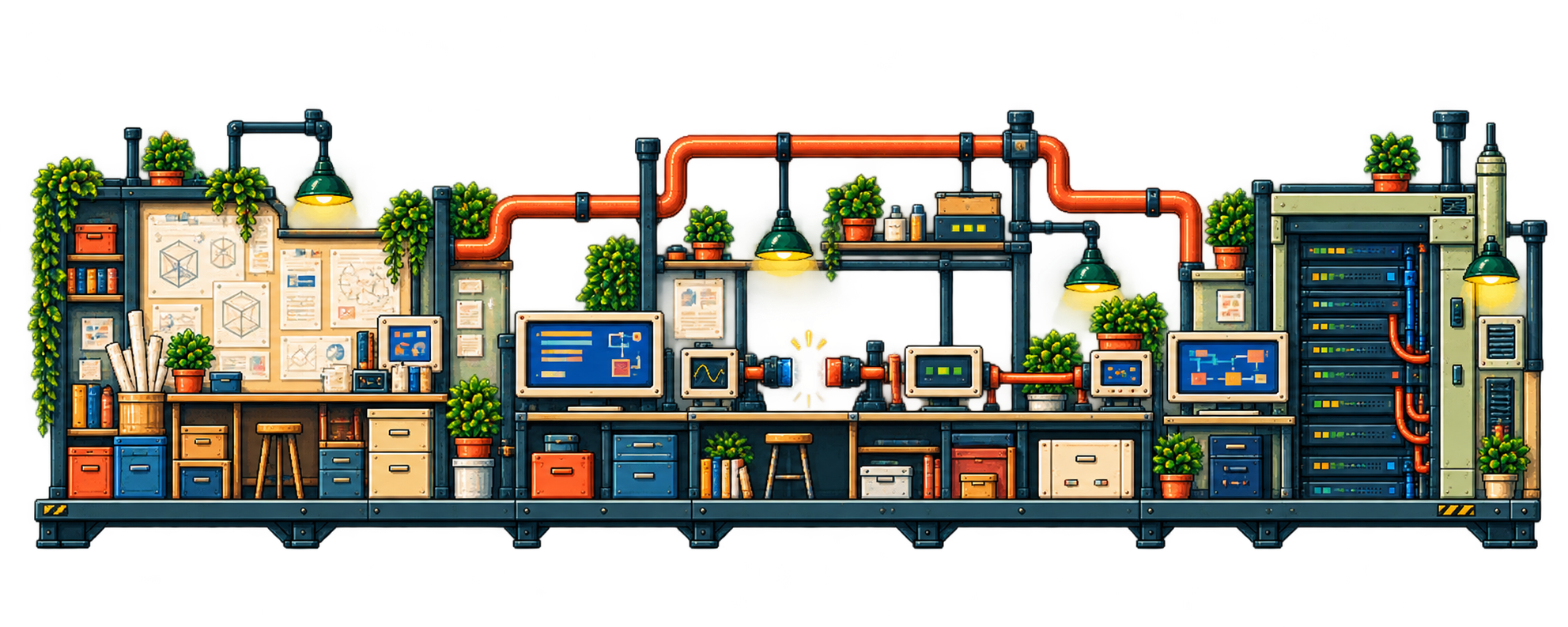
A side-on digital R&D laboratory connects research materials, experimental test rigs and a working software system.

Investigate the problem.

Research. Experiment. Prototype. Build.

Sometimes the challenge is technical. Sometimes it’s regulatory. Sometimes the obvious answer simply doesn’t fit the way the organisation has to operate. And sometimes an agency, developer or internal team has already concluded that what you want isn’t possible.

That doesn’t necessarily mean they’re wrong.

But it might mean the problem needs investigating rather than dismissing.

Selected clients

Interfuse has worked directly with organisations including:

Not every digital project needs another standard process.

If you already know exactly what you need, there are plenty of good agencies and development teams that can build it.

Interfuse is particularly useful when you don’t.

  • When the requirement is unusual.
  • When several possible approaches need testing.
  • When there’s a difficult technical or regulatory constraint.
  • When an existing platform, process or set of rules wasn’t designed for what you now need to do.

Or when somebody has already said:

“You can’t do that.”

Those are often the interesting projects.

Interfuse investigates the problem, explores the available technology, builds proofs of concept and works out whether there is a practical route forward.

Sometimes there isn’t.

Quite often there is.

R&D isn’t about proving every idea can work. Sometimes the most useful answer is finding out quickly that it can’t — or shouldn’t.

Investigate. Prove. Build.

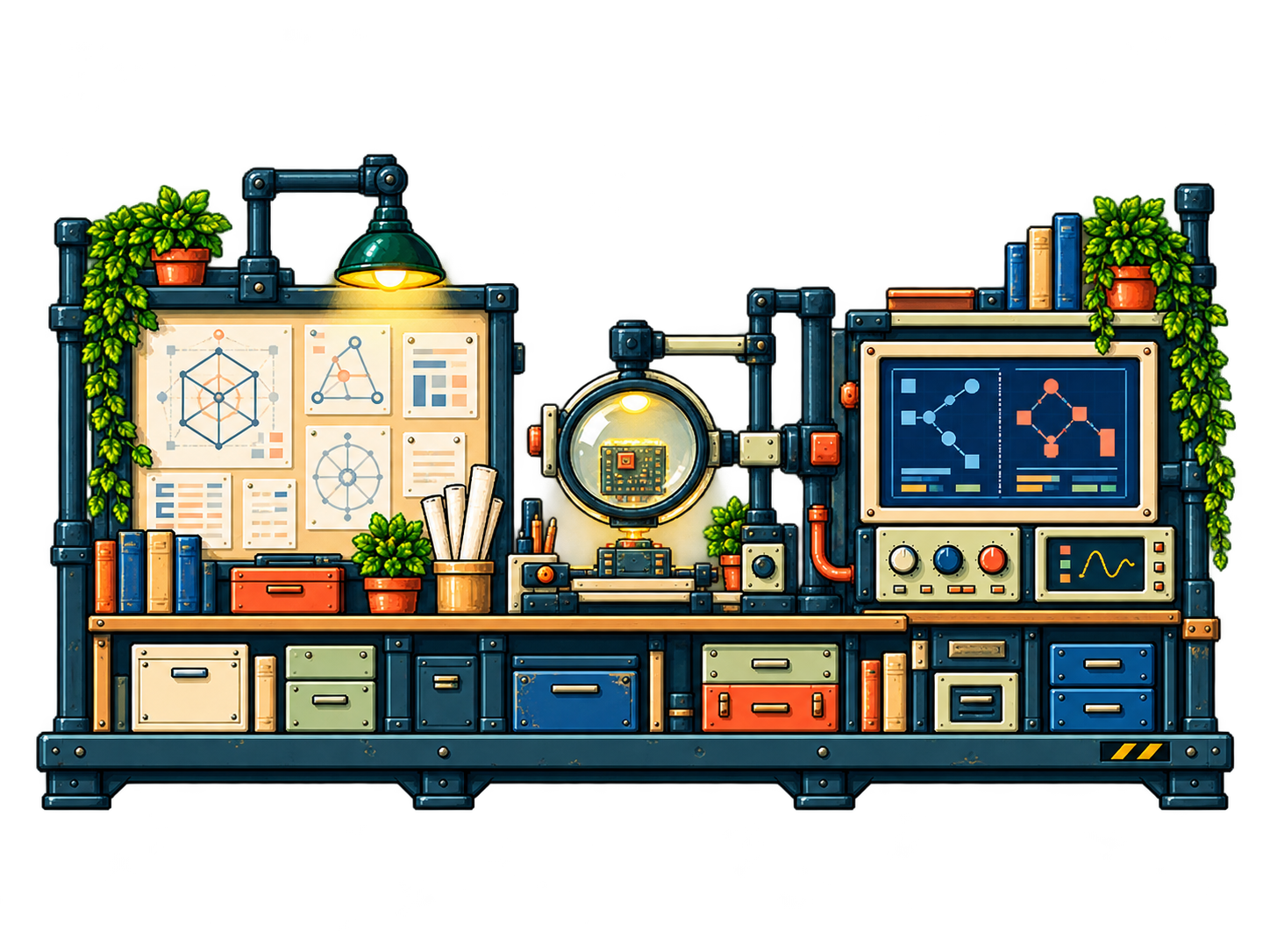
A front-facing research station studies schematics and alternative technical routes.

Investigate

Work out what is actually possible.

Research the problem, understand the constraints, explore technologies and identify approaches that might work.

That can involve technical research, product thinking, architecture, API investigation, workflow analysis, understanding regulatory constraints or simply questioning an assumption everybody else has accepted.

The first objective isn’t to produce a large specification.

It’s to find the promising route.
A front-facing experimental rig tests a connection between two modules.

Prove

Test the difficult bit before committing to the whole thing.

A small experiment can often answer a question much faster than weeks of planning.

Interfuse builds prototypes and proof-of-concept systems to test the assumptions that matter:

  • Can the data be transformed?
  • Can these systems actually talk to one another?
  • Can this interaction work in a browser?
  • Can the experience remain usable while meeting the regulatory requirement?
  • Can AI perform this task reliably enough?
  • Can the workflow be automated without losing the human judgement that matters?

Find out first. Then decide what deserves to be built properly.

A front-facing deployment station connects a finished application to a working server system.

Build

Turn the successful experiment into something useful.

Where the answer proves viable, Interfuse can take it further — designing and building applications, workflows, integrations and cloud infrastructure around the approach.

That can include modern web applications, AI-enabled systems, APIs, AWS infrastructure, databases, authentication, payments and third-party integrations.

R&D is valuable when it leads somewhere.

“We’ve been told it can’t be done.”

Interfuse has heard some version of that sentence more than once.

WeAreWorship / Integrity Music

Transposing and printing sheet music in the browser

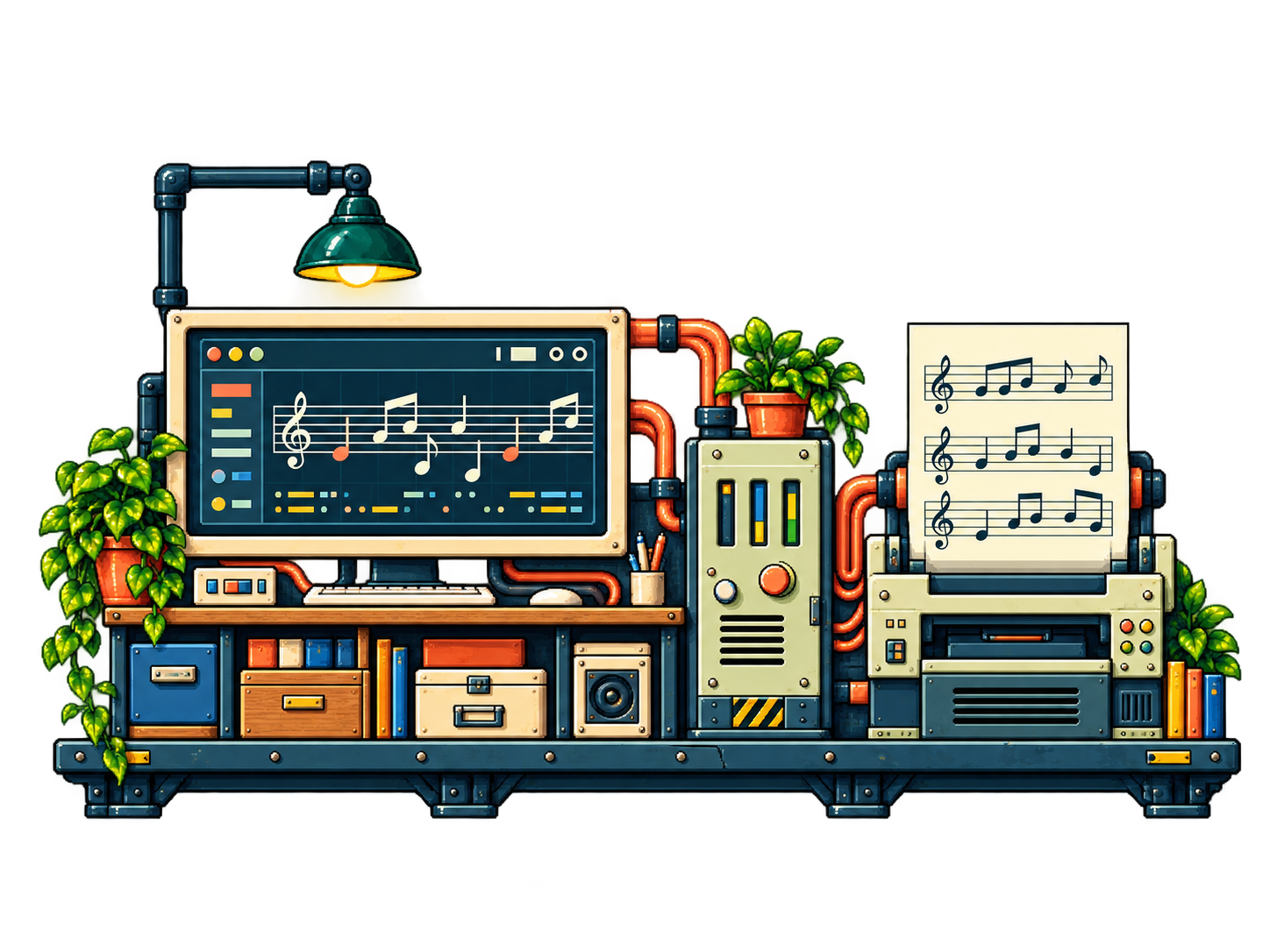
A front-facing browser music system connected to a sheet-music printer.
ABC notation · Browser transposition · Print

WeAreWorship needed musicians to be able to transpose chord charts and sheet music online and print the resulting music directly from the website.

At the time, the obvious approaches depended on technologies such as Flash or software that users would have to install.

The straightforward answer was that it couldn’t realistically be done in the browser.

So Interfuse investigated.

That led to ABC notation: a text-based system for representing music that opened up a completely different route to generating and transposing notation dynamically.

That created another problem: how do you convert and manage a substantial existing catalogue in a format the new system can use?

That was investigated too, leading to a scalable approach for getting the content into the system.

The result wasn’t simply a website feature.

It came from finding a technical route where the obvious one had run out.

European consumer group

Connecting a usable sales application to SAP

A route into SAP
  1. SAP ERPCustomer and order data
  2. Sales applicationNext customer · Purchase history · Orders
  3. Customer approvalSMS confirmation where required

A telephone sales team needed a much simpler way to work with customer and order data held inside an existing SAP ERP environment.

The organisation’s internal IT team believed the required integration wasn’t possible.

Interfuse investigated the available routes and found a way through.

The resulting web application surfaced the next customer to contact, relevant purchase history and the information agents needed to have an informed conversation.

Orders could then be created through the application itself, including an automated SMS confirmation process where local regulation required written customer approval.

What started as an integration problem became a complete working sales workflow.

Undisclosed regulated organisation

Designing around a constraint that couldn’t simply be removed

A coherent experience
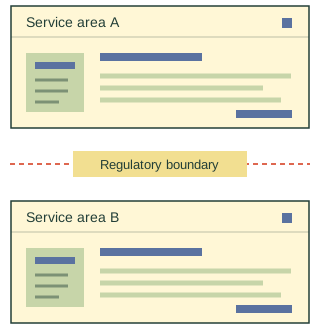
Two distinct service areas use consistent navigation and interface design while retaining the regulatory boundary between them.
Required boundaries retained.

The obvious UX answer was to create a single unified digital experience.

The regulatory environment meant that wasn’t possible.

That constraint couldn’t simply be designed away or ignored. The challenge was to create a coherent and usable experience while working within boundaries the organisation was required to maintain.

Interfuse contributed as part of a wider project team exploring how the different parts of the service could work together without breaching those regulatory constraints.

The resulting approach accepted the constraint rather than fighting it — and found a workable user experience inside it.

Sometimes the difficult question isn’t what the ideal solution would be. It’s what can be made genuinely good within the rules that actually exist.

UK-based tutoring franchise

Printing worksheets without giving away the source file

Rethinking the print workflow
  1. Educational worksheetsContent held within the application
  2. Print workflowAn alternative to distributing a PDF
  3. Printed materialWithout the conventional PDF download

The organisation had a deceptively awkward requirement.

Customers needed to be able to print educational worksheets — but the organisation did not want to distribute conventional PDF files that could simply be saved, copied and redistributed.

The obvious answer was:

You can’t let somebody print a document without giving them the document.

Interfuse investigated the problem and developed an approach that allowed the material to be printed while avoiding the normal downloadable-PDF workflow.

A small technical constraint became an R&D problem.

And the R&D produced a practical answer.

International leisure organisation

Turning a manual publishing workflow into an automated pipeline

Production, with editorial judgement
  1. Existing articlesStructure · Audience · Editorial intent
  2. AI-assisted productionBrand voice · Guidelines · Localisation
  3. Linked CMS draftsMedia and translation relationships
  4. Human editorial reviewRefine where necessary, then publish

The organisation had a large library of existing editorial content that needed to be rewritten, localised and republished across multiple markets.

The question was how much of that process could realistically be automated without removing the editorial judgement that still needed to sit with people.

Interfuse designed and built an AI-assisted content migration and localisation pipeline.

The system takes source articles from the existing website, extracts their structure, audience and editorial intent, rewrites them into a defined brand tone of voice, checks the result against editorial guidelines, generates supporting content and prepares the finished article for publication.

It then translates the content across multiple languages and creates the complete set of linked draft posts automatically inside the organisation’s CMS, including associated media and translation relationships.

What would otherwise require a substantial manual editorial and production process is reduced to human review, refinement where necessary, and publication.

The aim wasn’t to automate the judgement. It was to find out how much of everything around it could be automated.

Sometimes the experiment is the product.

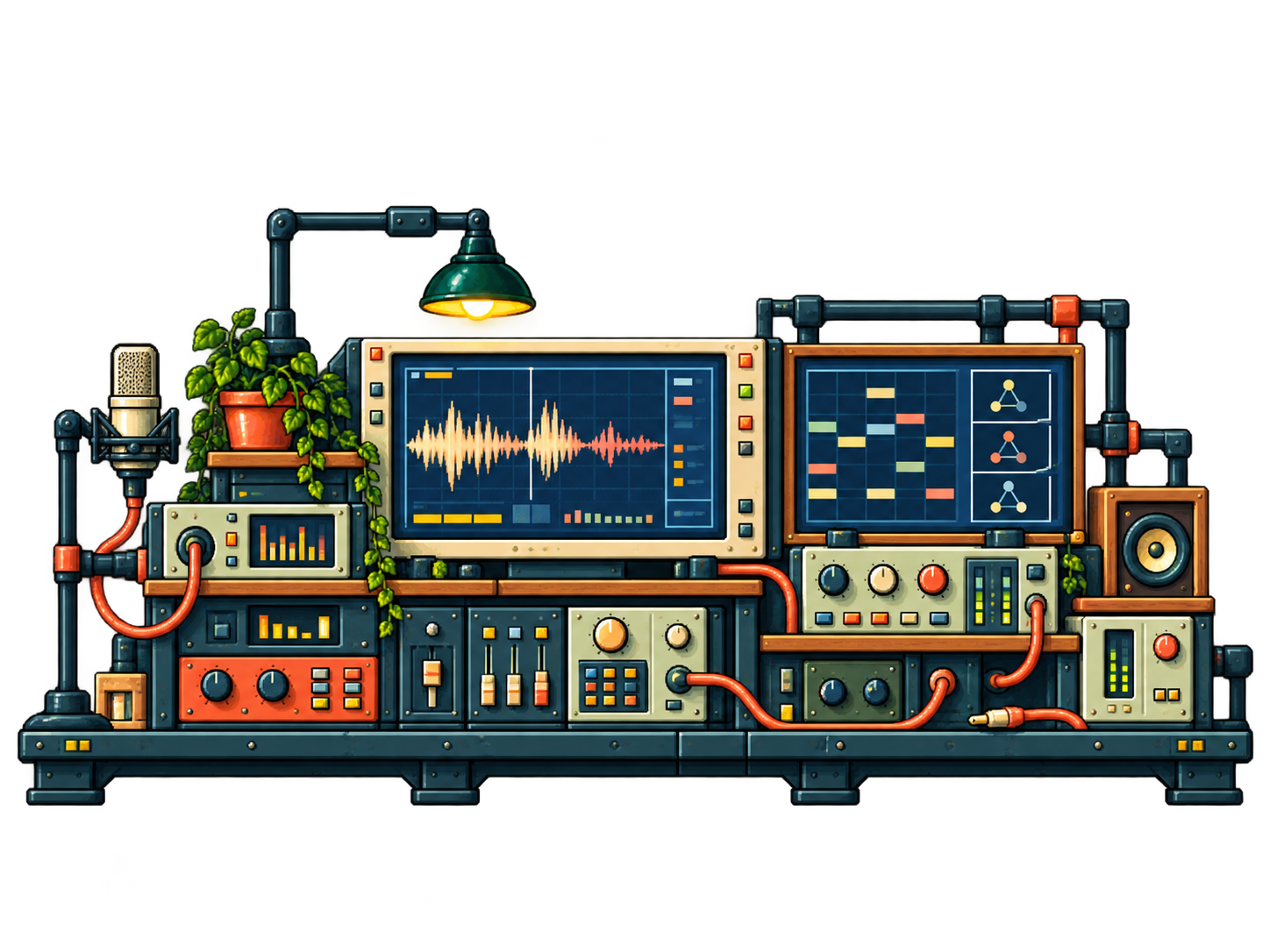
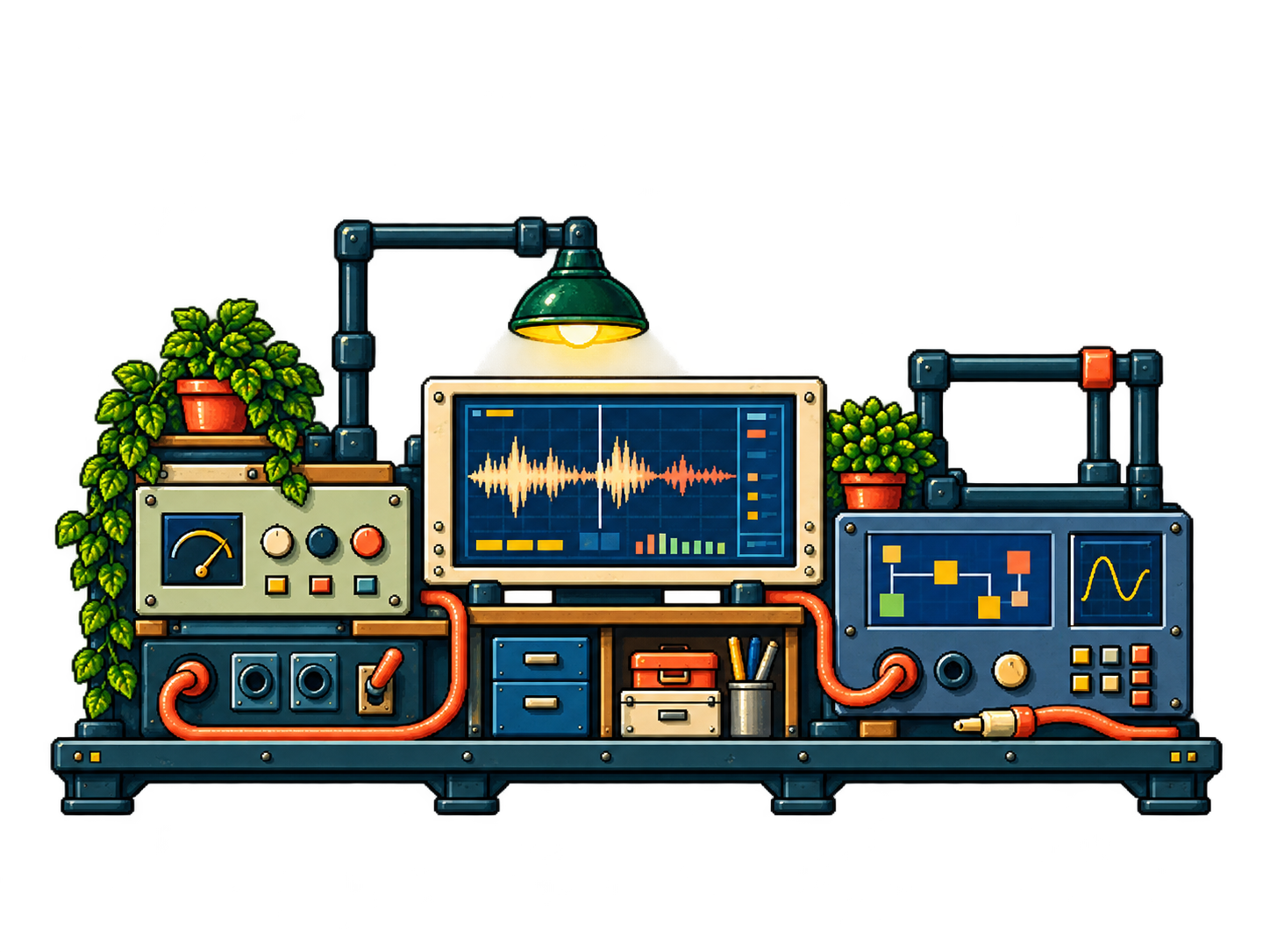
A side-on music technology test bench connects an audio input, waveform display and musical analysis modules.

Interfuse also develops its own products and proofs of concept.

SongPad is an online songwriting platform and an ongoing test bed for ideas around music technology, audio analysis and generative AI.

Recent experimental work has included areas such as melody reconstruction from vocal recordings, automatic chord detection and other tools designed to extract useful musical structure from imperfect real-world audio.

Not every experiment becomes a feature.

That’s part of R&D too.

The point is to find out what works.

AI makes experimentation much cheaper.

Generative AI has dramatically changed the economics of digital R&D.

Ideas that would once have required substantial development before they could even be tested can now often be explored through a combination of coding agents, language models, specialist AI systems and rapid prototyping.

That doesn’t mean every problem needs AI.

And it certainly doesn’t mean AI always has the answer.

It means it has become possible to explore more approaches, build experiments faster and discard bad ideas earlier.

Interfuse uses AI heavily where it provides useful leverage — alongside conventional software engineering, product thinking and technical research.

The objective isn’t to use AI.

It’s to find the best way to make the thing work.

About Interfuse

Tim Cole, illustrated in a retro 2D game style
Tim Cole · Founder, Interfuse

Interfuse is an independent digital R&D practice founded by Tim Cole.

Tim’s background spans product and UX design, software development, technical architecture and digital delivery.

Over the course of that work, a recurring pattern emerged: some of the most interesting projects weren’t straightforward design or development briefs at all.

They started with an awkward question.

Could this work?

Is there another way of doing it?

What would happen if we tried this instead?

That kind of problem-solving is what Interfuse is built around.

Tim has worked directly with organisations ranging from international brands to publishers, charities and membership organisations, and has also contributed to wider project teams delivering work for organisations including McDonald’s, Unilever, Comic Relief, Royal Mail and NHS England.

Got something
awkward?

Maybe it’s an idea nobody has tried yet.

Maybe there’s a technical or regulatory constraint blocking the obvious route.

Maybe the existing software, process or business environment simply wasn’t designed for what you now need from it.

Or maybe somebody has already told you:

“It can’t be done.”

That might be true.

There’s one way to find out.